

Creating a quarterly business review means spending hours on editing charts, rewriting summaries, and fixing slide layouts.
In this guide, you will learn how to present quarterly business review updates faster, avoid common QBR mistakes, understand different QBR formats, and see how AI tools like SlidesAI can reduce the time spent creating presentation decks.
What Is a Quarterly Business Review (QBR)?
A QBR is a structured meeting held every three months to review performance, assess progress, discuss challenges, and define priorities for the next quarter.
Businesses use this to evaluate metrics, align teams, share insights, and keep stakeholders informed through organized presentations and discussions.
What to Include in a Quarterly Business Review?
A QBR doesn’t necessarily need to become a weekend project if you focus on including only what actually needs to be in it. Here are the necessary elements:
1. Add the Most Important Metrics
Start by gathering the KPIs and numbers that matter most.
Focus on goals, revenue, customer growth, project outcomes, campaign results, or department performance instead of trying to include every available metric.
This gives your audience immediate context and helps keep the presentation focused.
2. Follow a Simple Presentation Structure
It’s always a good idea to keep things simple.
A straightforward presentation structure allows you to move naturally from results to insights and next steps. Focus on including an executive summary, key metrics, wins, challenges, priorities, and action items.
3. Create Content Outline Before Designing
Adjusting slide layouts shouldn’t be your priority. Instead, focus on outlining what you want to include in your slides and write the content before thinking about visuals.
This prevents unnecessary design work and helps you focus on the message rather than formatting.
What Are the Common Quarterly Business Review Mistakes to Avoid?
- No Defined Agenda: A QBR without a clear agenda feels scattered and difficult to follow. Set expectations early so your audience understands the purpose, flow, and outcome of the presentation.
- Weak Planning: Poor QBR preparation usually creates rushed presentations and disconnected messaging. Strong planning ensures your data, priorities, and talking points align with the goals of the review.
- Forgetting Audience Engagement: Many quarterly business review presentations become one-sided information dumps. Add discussion points, questions, or decision moments to make meetings feel more collaborative and engaging.
- No Follow-Up Process: A presentation should not end when the meeting ends. Capture action items and communicate next steps clearly so decisions actually turn into outcomes.
What Are the Different Types of QBR?
Not all QBRs cater to the same audience or contain the same metrics. Based on who you’re presenting to, changes what you should be adding in it. Here are the different types of quarterly business reviews catering to different audiences:
1. Sales QBR
Sales teams use QBRs to review pipeline performance, revenue goals, account activity, and forecast progress. These reviews help identify opportunities and improve future sales strategies.
2. Customer Success QBR
Customer success teams conduct QBRs to discuss account health, customer goals, adoption metrics, and retention opportunities. These help strengthen customer relationships and improve long-term outcomes.
3. Marketing QBR
Marketing QBRs focus on campaign performance, lead generation, engagement metrics, and ROI. Teams use these presentations to evaluate what worked and optimize future campaigns.
4. Finance QBR
Finance teams review budgets, forecasts, expenses, profitability, and financial performance during QBR sessions.
These reviews help leadership teams make informed business decisions.
5. Project Management QBR
Project management reviews often focus on milestones, timelines, blockers, resource allocation, and project progress. This helps teams stay aligned and address issues before they become larger problems.
SlidesAI & QBR: How AI-Powered Tools Can Create Quarterly Business Reviews Instantly
Creating a QBR presentation template right from scratch is time-consuming. It often requires hours of organizing information, summarizing updates, and formatting slides manually.
SlidesAI simplifies the process by helping you create a QBR presentation with AI, turning your meeting notes, reports, or rough outlines into polished presentation slides.
- Convert long quarterly reports into presentation-ready slides.
- Generate executive summary sections faster.
- Create agenda slides, bullet points, and structured content automatically.
- Maintain visual consistency across presentations.
- Reduce time spent fixing layouts in PowerPoint or Google Slides.
SlidesAI helps teams focus more on insights and storytelling instead of design work.
Create Presentations Easily in Google Slides and PowerPoint
14M+Installs
 Install add-in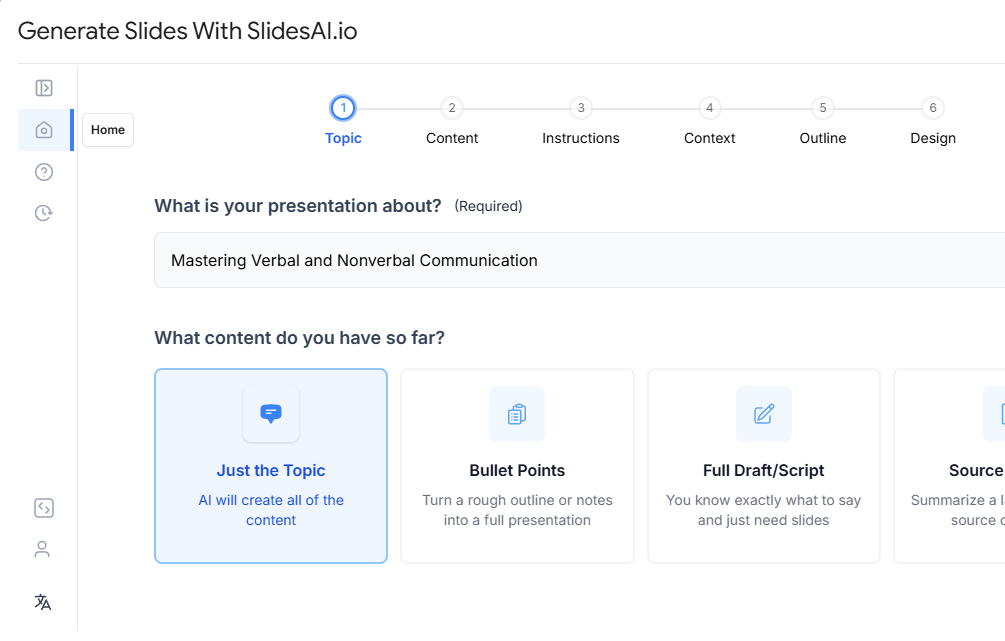
How to Create a Quarterly Business Review Presentation with SlidesAI?
Step 1: Collect Your Quarterly Information
- Gather reports, KPIs, meeting notes, performance updates, and supporting information before creating the presentation.
- Organizing content upfront creates a smoother workflow.
Step 2: Open SlidesAI
- Launch SlidesAI inside PowerPoint or Google Slides, or you can also use the SlidesAI dashboard directly.
Step 3: Paste Your Content
- Add your reports, notes, or rough outlines into SlidesAI.
- The AI will then use this content to structure your presentation automatically.
Step 4: Select Your Presentation Style
- Choose your preferred audience, presentation format, tone, and design style.
- This helps you match the visuals of your presentation with the meeting’s purpose.
Step 5: Generate the Slides
- SlidesAI automatically creates presentation outlines and content structures, eliminating much of the manual formatting work.
Step 6: Review & Personalize
- Review generated content carefully and customize visuals, charts, branding, and wording where necessary.
Step 7: Share or Present
- Once finalized, your presentation is ready to share with stakeholders or present directly.
Create AI presentations directly in Google Slides.
- No design skills required
- 3 presentations/month free
- Save directly in Google Slides
Frequently Asked Questions (FAQs):
1. What does QBR stand for?
QBR stands for quarterly business review. It refers to a meeting held every quarter to review performance, discuss key metrics, evaluate progress, and define priorities for the upcoming period.
2. What is the difference between a QBR and an EBR?
A QBR focuses on operational performance and short-term goals with working teams and stakeholders. An EBR, or Executive Business Review, focuses more on long-term strategy and leadership-level discussions.
3. What should a QBR presentation include?
A typical quarterly business review PowerPoint presentation includes an executive summary, KPI updates, wins and challenges, performance insights, future priorities, and action items.
4. How many slides should a QBR deck have?
Most QBR presentations work best between 10 and 20 slides. Executive presentations are often shorter, while internal department reviews may require additional detail.